
When environment defines hardware selection
12 May 2026
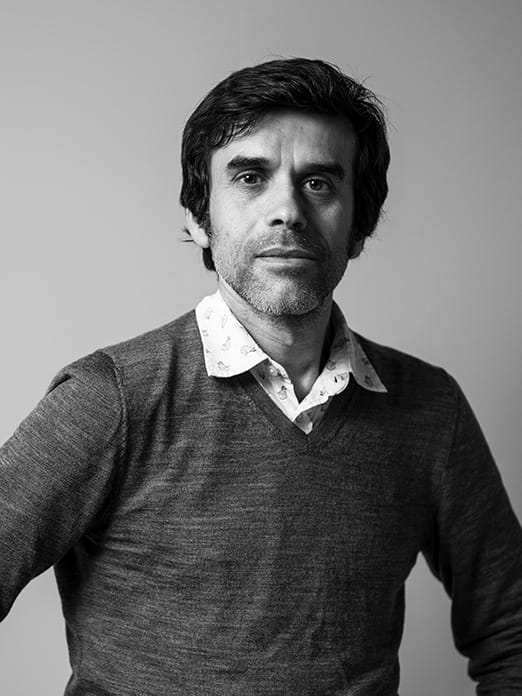
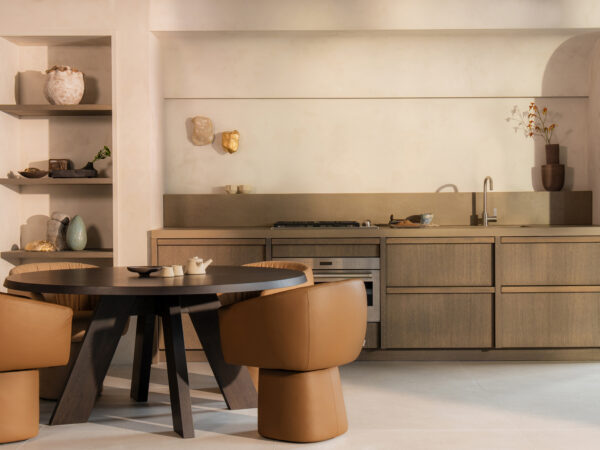
Within Studio Piet Boon, hardware is not seen as a standalone detail, but as part of a larger whole. Architecture, interior, environment and use together form the starting point for every specification. The choice of materials, finishes and hardware is therefore not made at the end of the design process, but considered from the earliest project phase as part of the concept development.
"Within Studio Piet Boon, hardware is not seen as a standalone detail, but as part of a larger whole. Architecture, interior, environment and use together form the starting point for every specification. The choice of materials, finishes and hardware is therefore not made at the end of the design process, but considered from the earliest project phase as part of the concept development."
- Nelio de Freitas, architect and lead designer
More than an aesthetic choice
This approach requires more than an aesthetic decision. Hardware must relate to the architecture and interior, as well as to the conditions in which it is used. Climate, material, durability, frequency of use and the way a material feels together determine the right solution. A door handle, pull or other hardware product should not only be beautiful, but also feel intuitive and retain its quality over time.
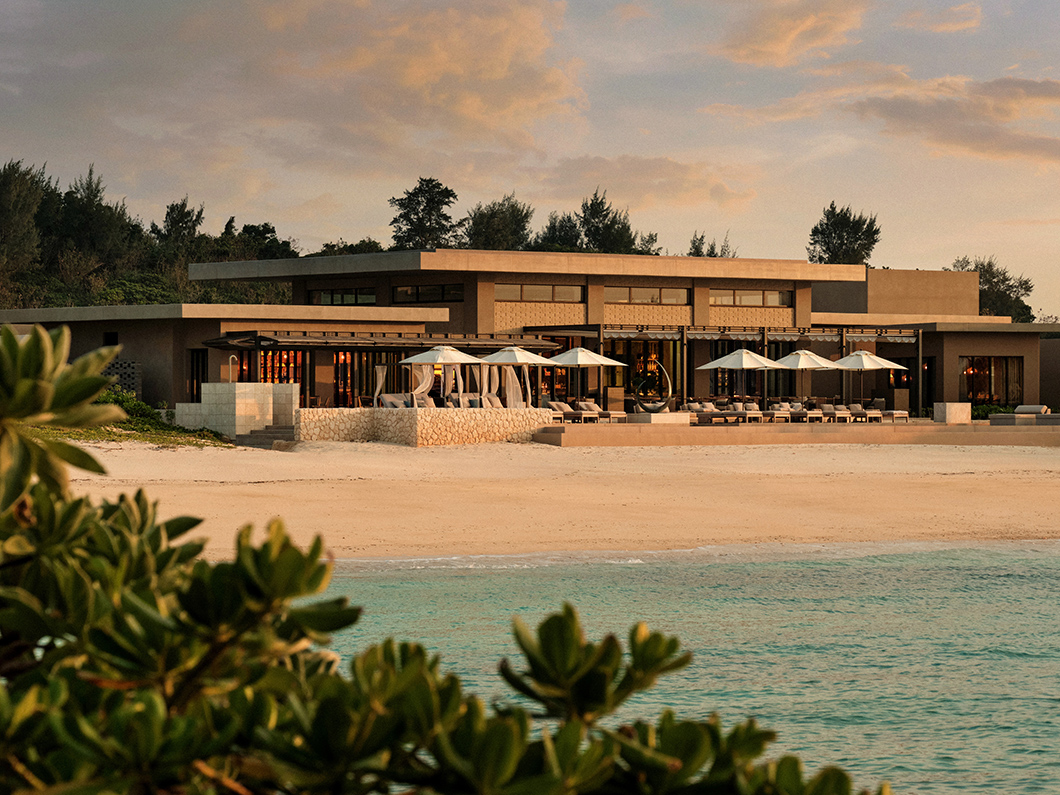
Coastal areas: resistant to salt, humidity and sun
In coastal areas, design requires extra attention. Salt, humidity and sun influence the durability of materials and finishes. In these environments, solutions are therefore selected for their ability to withstand these conditions. What matters is not only how a finish looks at completion, but how it develops over time.

Hospitality: intensive use while maintaining refinement
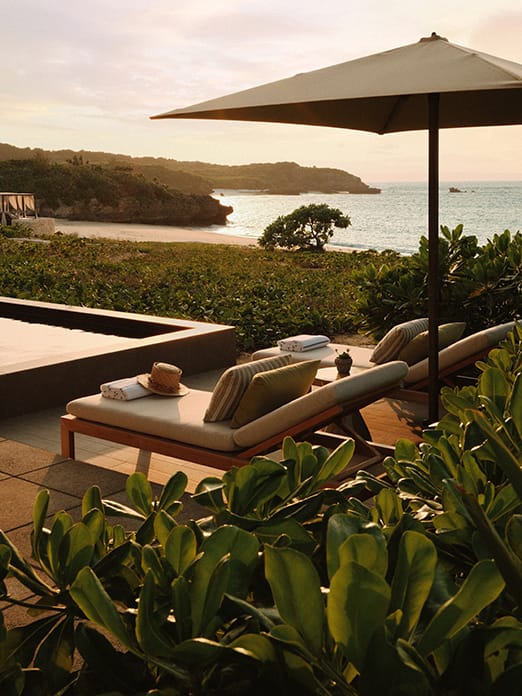
In hospitality projects, intensive use plays an important role. Here, the focus lies on balancing technical performance with user experience. Hardware needs to be robust, low-maintenance and consistent, while remaining comfortable and intuitive in everyday use. Here too, touch remains important, as it contributes to the experience of quality and refinement.

Offices: clarity, repetition and calm
In office environments, the focus shifts towards clarity, repetition and calm. Because hardware is often used daily by many different people, its design needs to feel self-evident. A neutral and subtle design language allows details to become part of the workspace without being overly present. Through a consistent choice of materials and finishes, a sense of coherence is created between different spaces.

Residential: daily use and personal experience
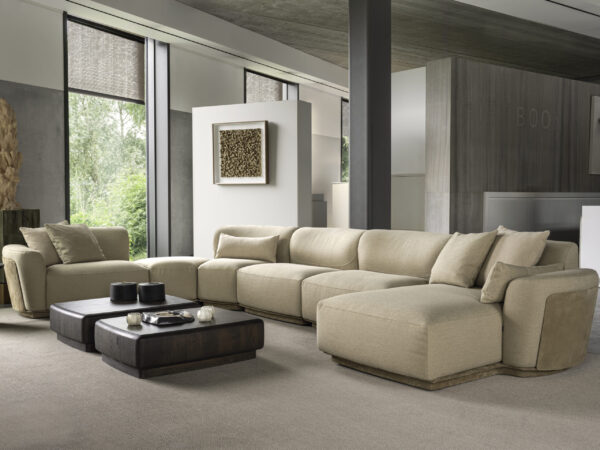
In homes, the emphasis shifts more strongly towards everyday use and personal experience. Hardware becomes part of the daily rhythm of the residents. Touch, weight and finish all contribute to comfort and connection with the space. In a residential environment, a material may develop character, as long as it strengthens the calm and quality of the whole.
One principle, different contexts
Design changes depending on context, but the starting point remains the same. Hardware should be a natural extension of the architecture and interior. It is adapted to climate, use and environment, while always remaining connected to the overall design language.
Discover how Studio Piet Boon translates context into design.
Schedule an appointment to experience our design philosophy.
Discover more


[relevant_products]


