Flexibility in Interior Design
Studio Piet Boon on creating coherence through detail in collaboration with Formani
25 November 2025
Flexibility has become an important part of contemporary living. Spaces need to adapt to changing routines while maintaining a sense of calm and coherence. At Studio Piet Boon, flexibility is seen as a natural evolution rather than constant change. It is about creating interiors that adjust gracefully to the people who use them.
Designer Irene Valbusa plays a key role in shaping this vision. Together with the design team, she explores how proportion, detail and materiality create spaces with long-lasting relevance.
Design that evolves over time
For the team, flexibility begins with the floor plan. A layout should leave room for different phases of life, whether it involves a child’s room that grows over time or a living space that shifts between everyday moments and hosting.
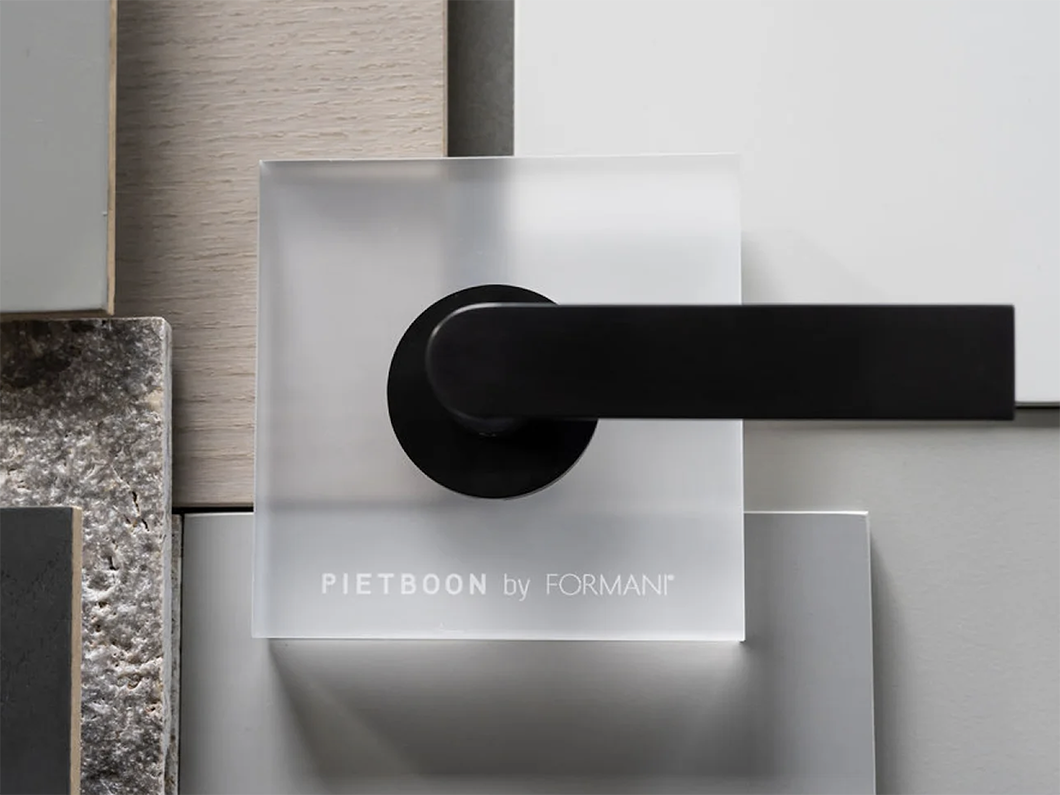
Timeless fixed elements, such as hardware and millwork, form the foundation. Softer layers can adapt gradually. The design goal is a base that feels calm and thoughtfully proportioned, allowing the interior to evolve without losing its identity.
Creating coherence through detail
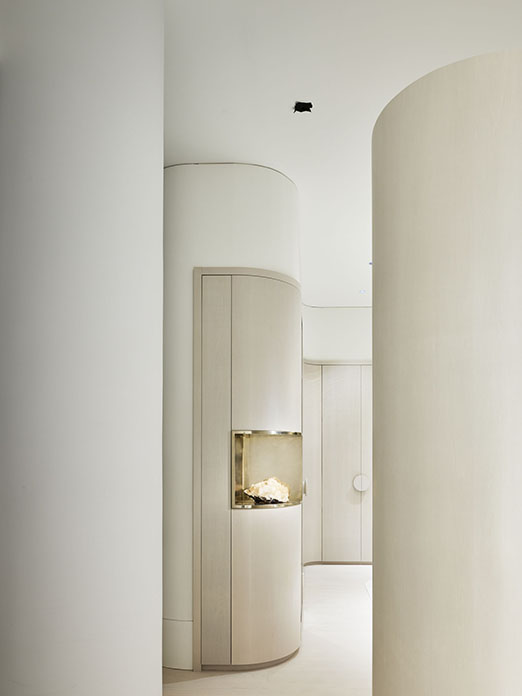
Even when functions change, an interior should remain cohesive. Proportions, light and hardware set the tone and ensure that different layers work together harmoniously.
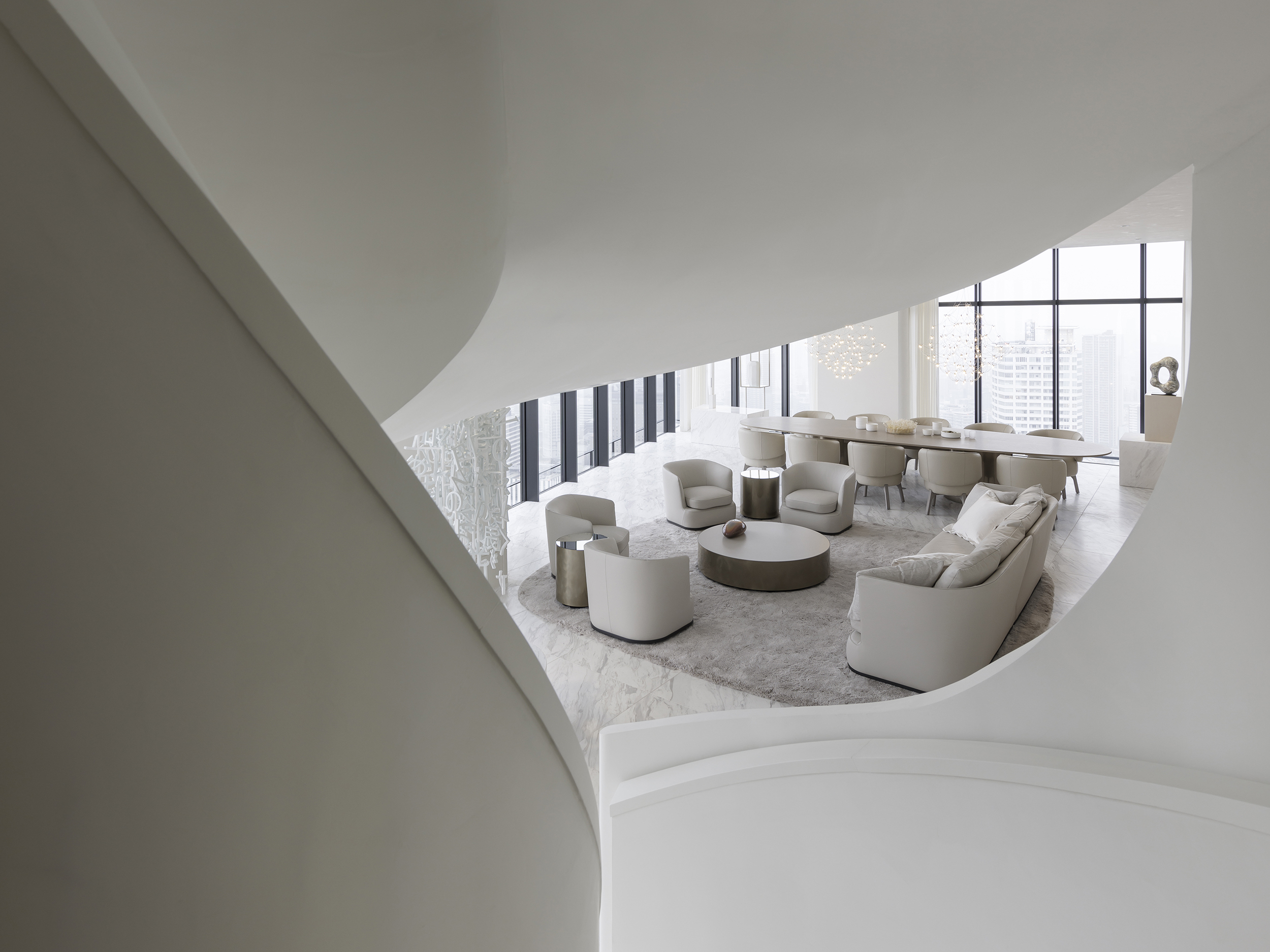
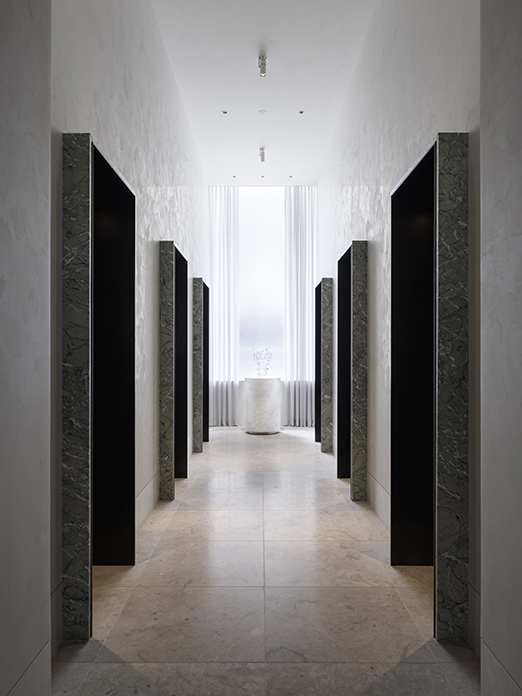
A recent high-rise project in Osaka illustrates this approach. On the fiftieth floor, a shared party room features sliding panels that open or close around a show kitchen. The Formani TWO collection in satin stainless steel was selected for its gentle curvature, which reflects the architecture of the tower. The detail creates a subtle link between exterior and interior, adding refinement without drawing attention.
The tactile connection
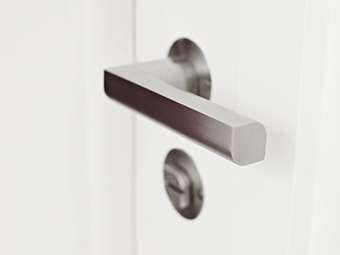
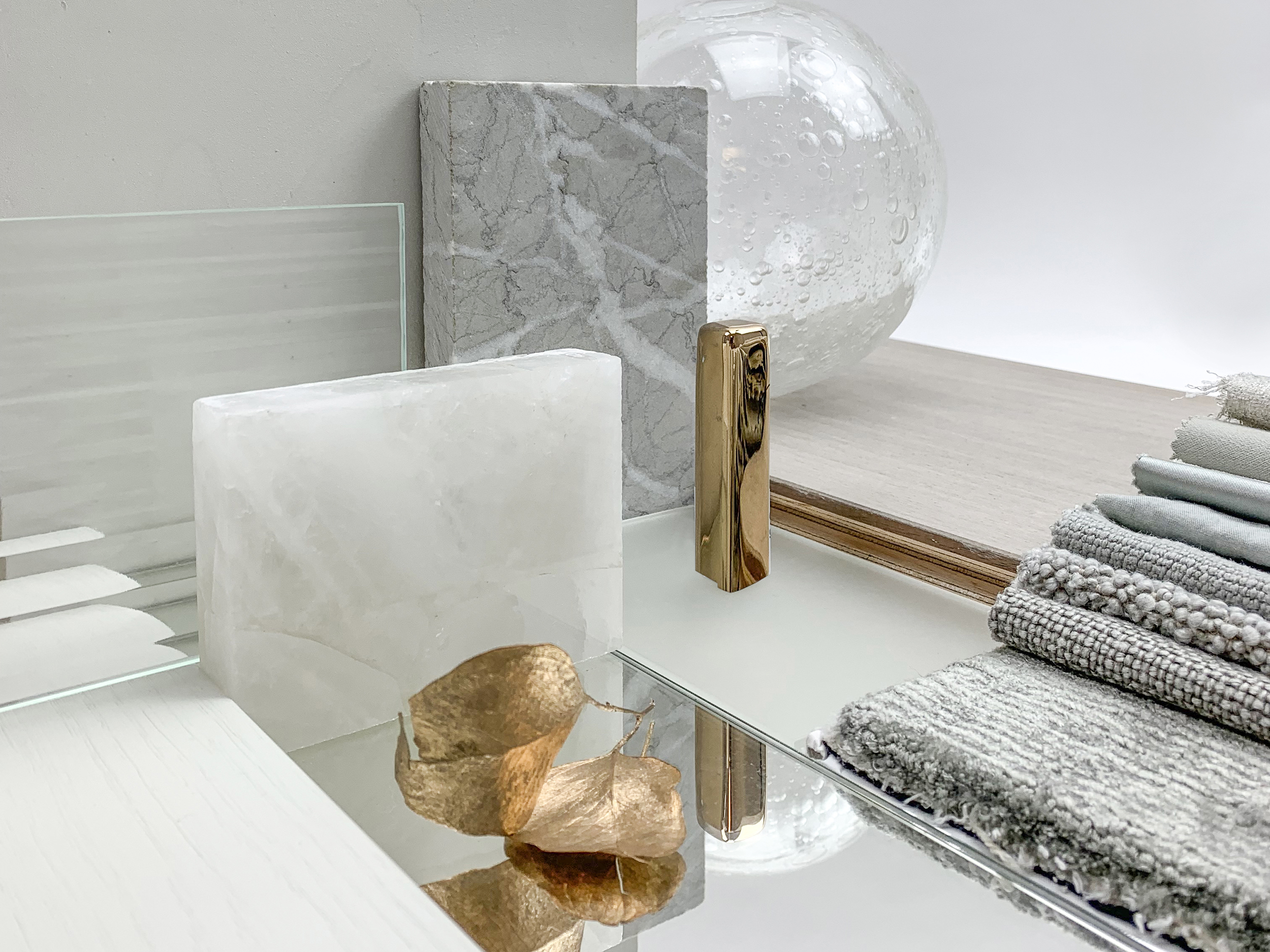
Hardware shapes the way people experience a space. A handle is often the first element one touches, and its weight, shape and finish convey a sense of quality. Quiet durability is seen as an essential part of luxury, which is why materials and tactile details are chosen with care.
A brushed Formani handle next to plaster or natural wood catches the light in a soft way. These small encounters enrich daily use and anchor the design in the senses.
A calm foundation
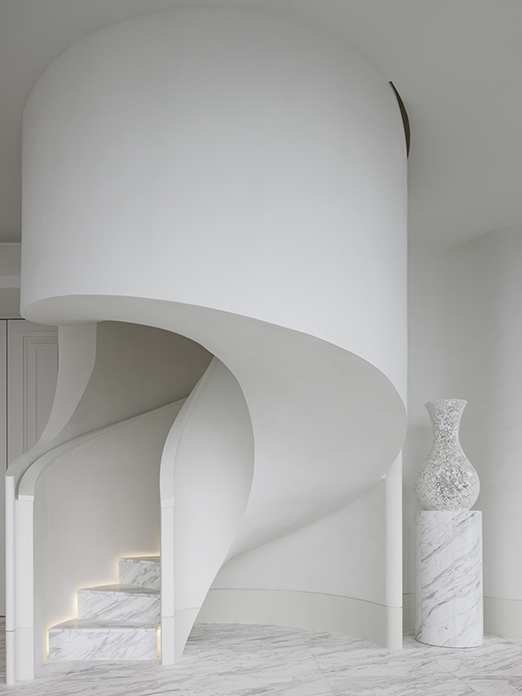
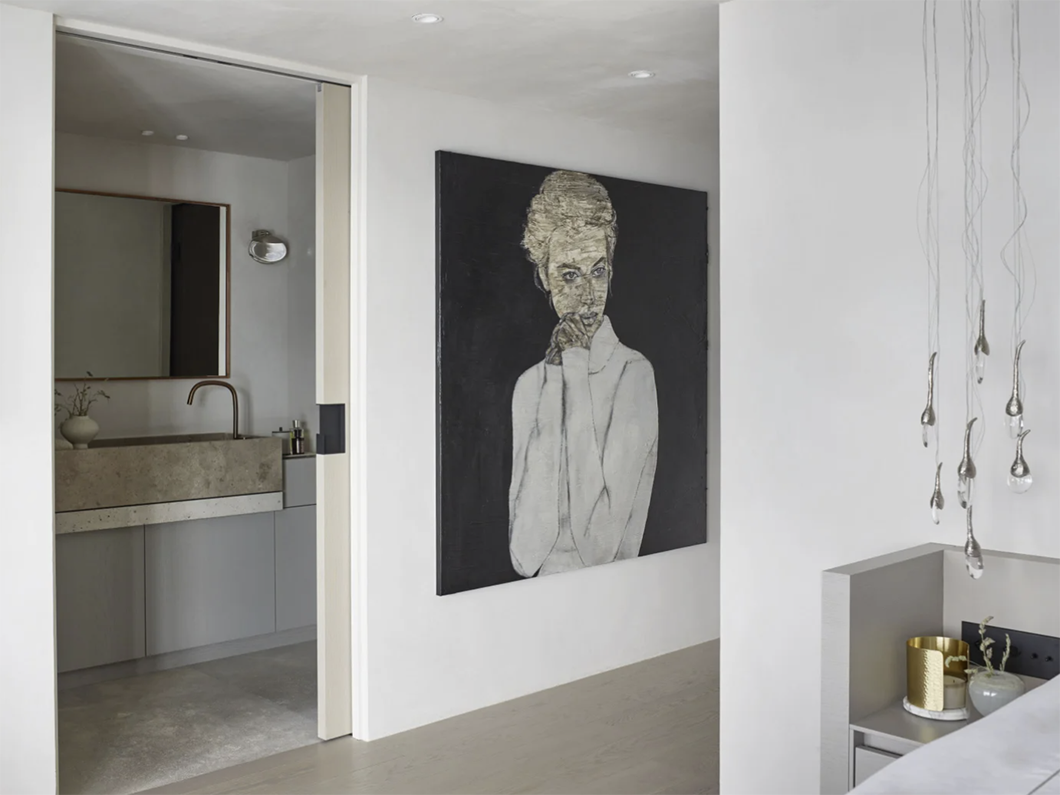
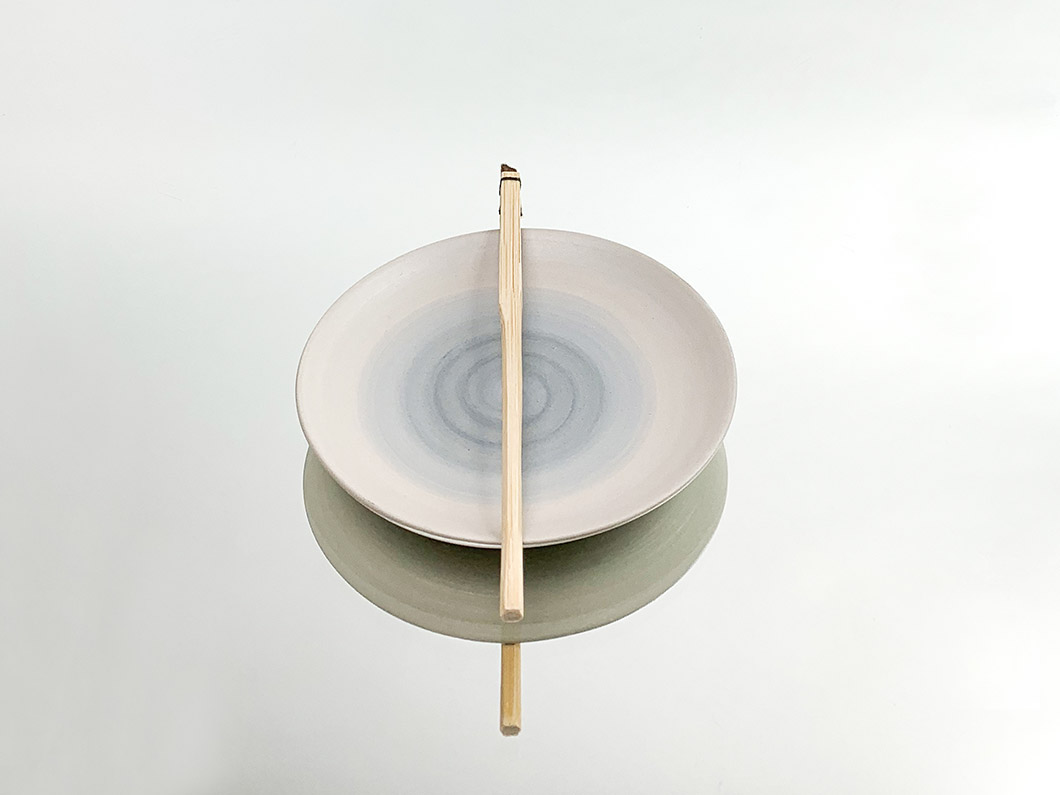
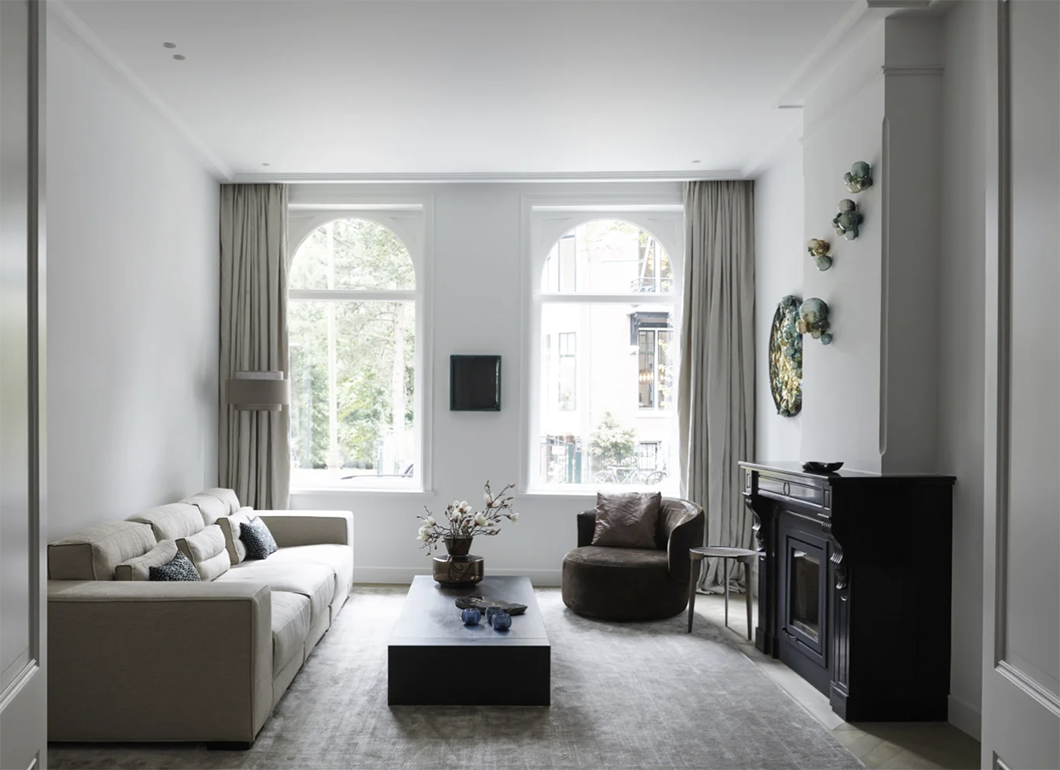
Color and materiality support flexibility and comfort. Layered neutral tones provide a serene base that can shift in atmosphere. Matte beside polished, soft beside structured. Within this restrained palette, hardware becomes a refined accent that reveals itself through touch and reflection rather than contrast.
Adapting across scales
Flexibility takes different forms depending on the context. In private homes it tends to be intimate, shaped by the rhythms of daily life. In hospitality projects the scale and frequency of change are greater. Lighting plays an important role here. Task, ambient and accent lighting allow a room to shift character throughout the day while maintaining a consistent identity.
Across all scales, hardware remains a constant touchpoint that the hand remembers. Even when furniture or lighting changes, it helps to anchor the overall design.
Designing for longevity
Sustainability and flexibility are closely connected. Natural materials that age well and hardware built to last ensure that interiors remain relevant over time. Rather than encouraging replacement, the studio focuses on creating spaces and elements that people want to keep.
The collaboration between Studio Piet Boon and Formani builds on this shared philosophy. Together they explore what timeless design means today and how interiors can evolve without losing their sense of calm, character and coherence.