Designing beyond trends
A conversation with Studio Piet Boon
22 January 2026
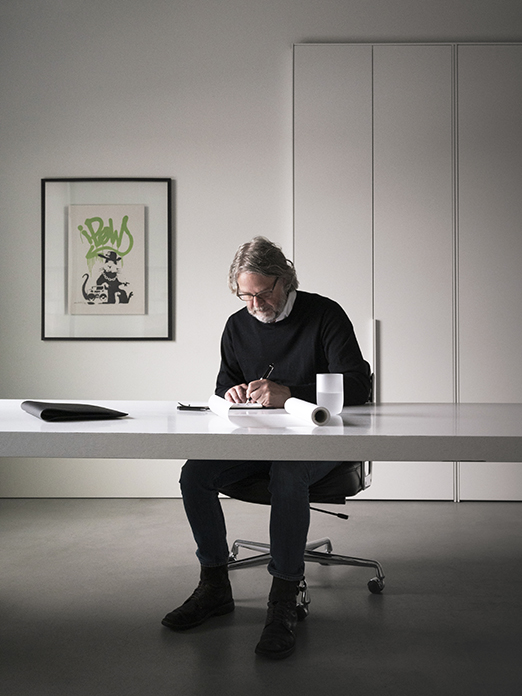
Roland Kokkeler, Chief Design Officer at Studio Piet Boon, reflects on design principles that retain their value beyond time and trend. As trends become less directive, the way design decisions are made is shifting. Rather than responding to what is new, the focus is moving toward what lasts. A shift that aligns with the design movements looking ahead to 2026.
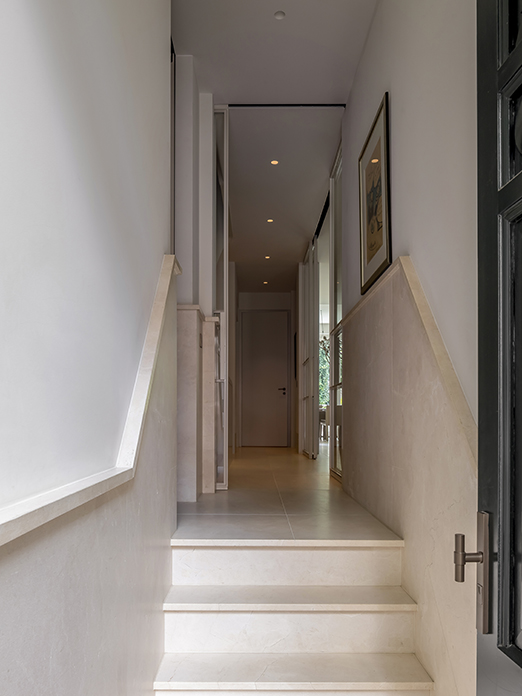
For Studio Piet Boon, this is not a new development. It has long formed the foundation of our designs. Design begins with clarity. With functionality, simplicity, and a pure approach. Decoration for decoration’s sake is deliberately avoided. What is functional and to the point remains relevant.
Simplicity as a starting point
Simplicity is not a style statement, but a way to create calm and balance. Form should never distract from use. By removing complexity, space is created for quality.
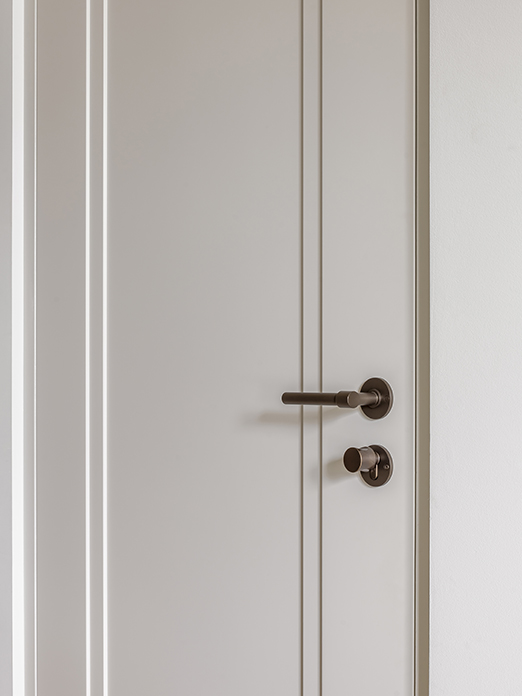
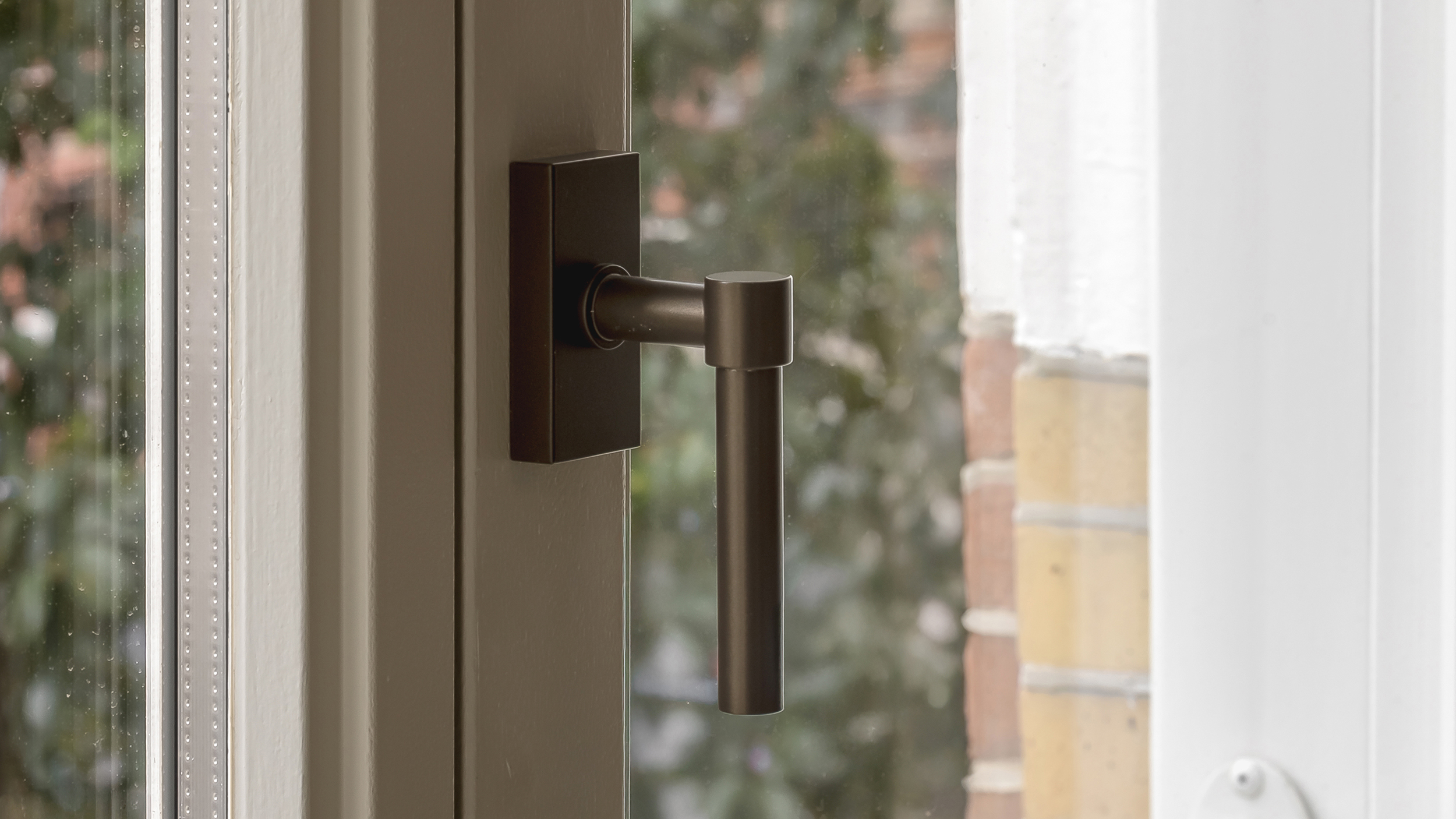
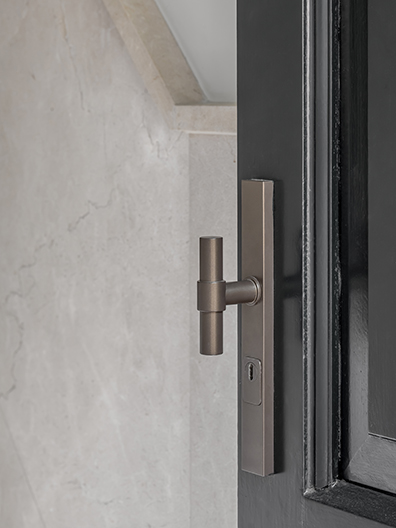
This is especially visible in the attention to detail. Door handles are a clear example. They are touched countless times each day and form the first physical contact with a space. A handle should feel intuitive. Present, but never dominant. Inviting, without drawing attention.
Consistency over extremes
Although projects differ, the underlying design principles remain consistent. The studio feels no need to constantly redefine what is “new.”
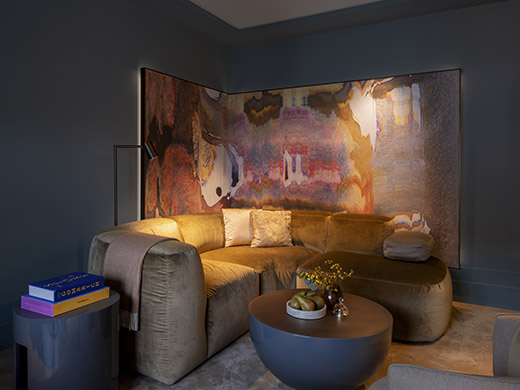
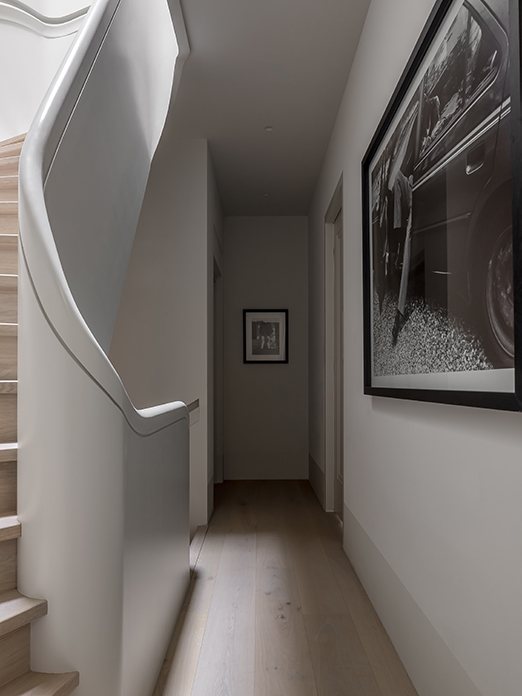
This stability results in interiors that radiate calm and remain in balance. From this quiet base, art and styling can change without losing coherence. The interior continues to carry the space.
Materiality and time
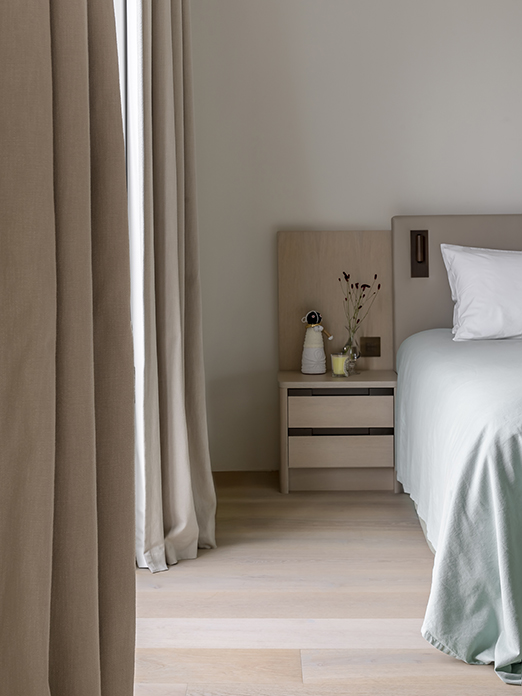
Material choices are made with a long-term perspective. Not the first impression is decisive, but how a material behaves over time. Signs of use are seen as signs of life.
A surface that subtly changes through touch and use adds depth. Patina, for example, personalizes an interior without emphasis or decoration. What feels right today should still feel right years from now.
Sensory quality
Sensory quality plays a key role. Weight, balance, and resistance determine how something is experienced. Often subconsciously, yet essential to a sense of refinement. When something feels good in use, it remains relevant.
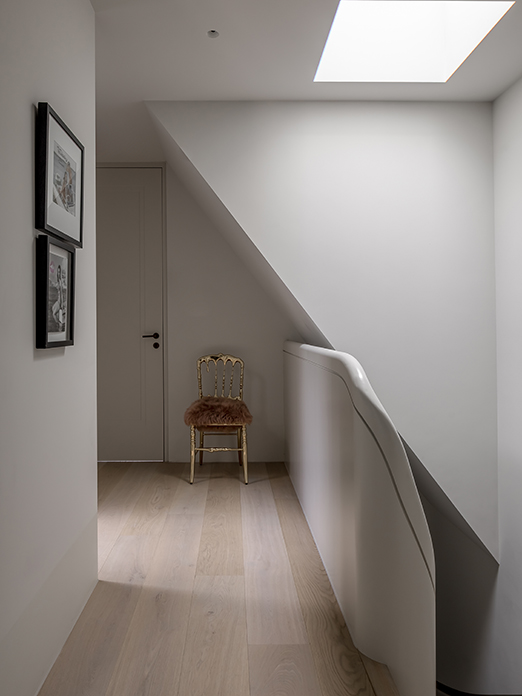
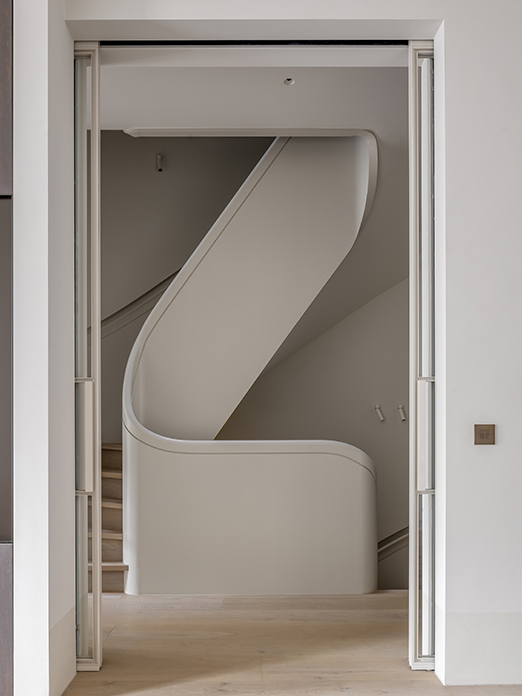
Rounded lines follow the same logic. Not because they are popular, but because they improve comfort. A curve is only added when a sharp edge interferes with use.
Design principles that endure
Sustainability flows naturally from these choices. Designs that remain pleasant to use, age beautifully, and do not call for replacement contribute to longevity by default. Longevity is not a goal in itself, but the result of attention to detail and quality.